

Travelers love to buy mementos of special trips, and divers are no exception. But sometimes, our purchases unwittingly contribute to the destruction of important habitats or the extinction of marine species. Some may even break the law. When in doubt, buy something else. Here are four souvenirs to avoid on your next dive trip.
Sea shells
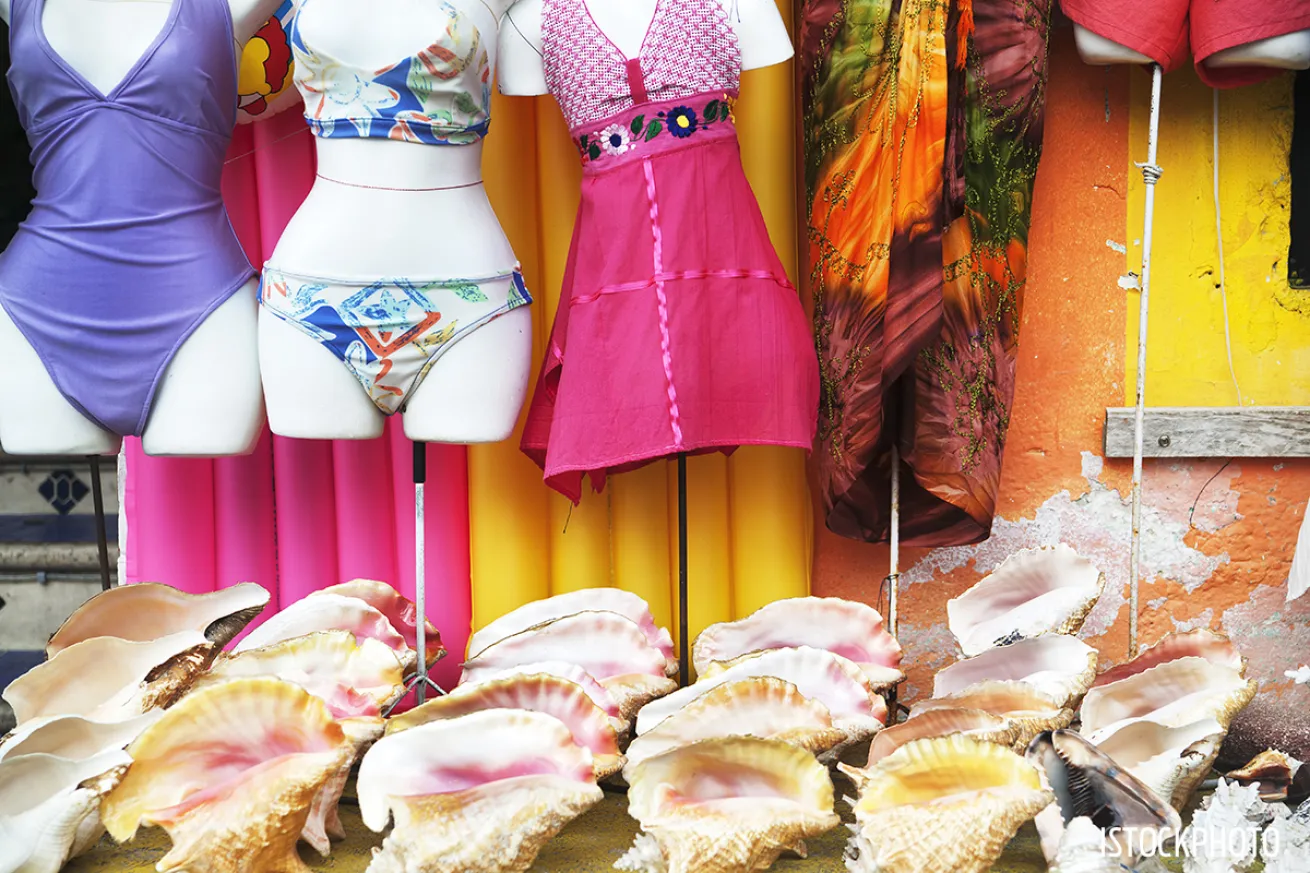
iStockphotoConch shells for sale
Many tropical destinations sell sea shells as-is and made into jewelry. Slow-growing queen conchs, found throughout the Caribbean, are particularly susceptible to unsustainable harvest. In some places, conch shells hold cultural significance, says Sara Walker, executive director of US Wildlife Trafficking Alliance, and because many cultures depend on tourism revenue, the collection of natural resources for sale and export threatens the sustainability of their livelihoods.
Most Caribbean countries regulate the export of sea shells; travelers should research laws before buying. Also avoid buying packaged shells; it is hard to determine their source so the animal may have been alive when collected or the shells may have been traded illegally.
Coral
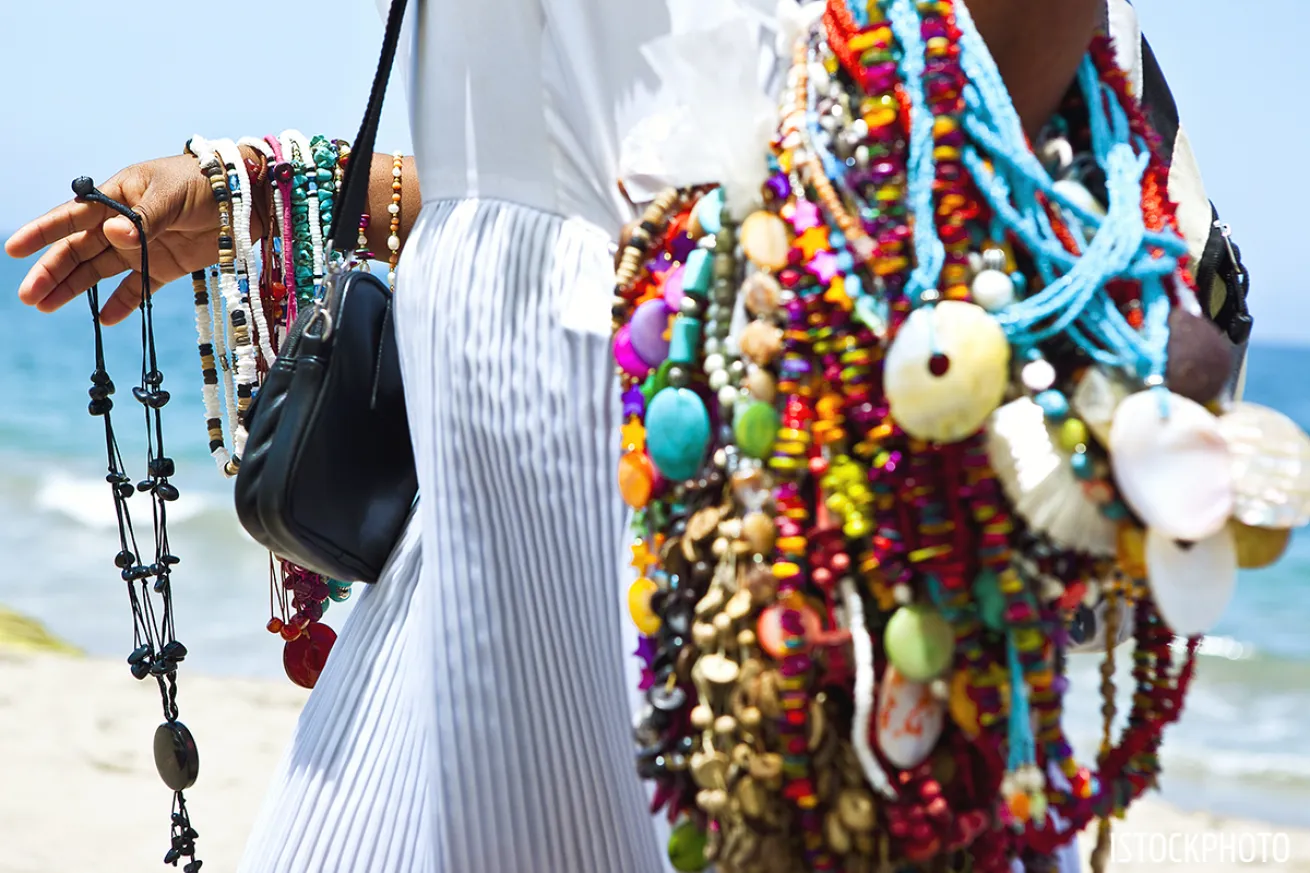
iStockphotoCoral jewelry for sale
Shops carry coral jewelry just about anywhere reefs exist. The health of the entire ocean ecosystem depends on coral reefs, which face serious threats around the world, including illegal collection.
“Many travelers do not realize the dangers of losing more coral reefs,” says Walker. “We have a responsibility to help protect these ecosystems for generations to come to enjoy.”
Trade in coral hurts people who depend on coral reefs for their livelihood, she adds. Some countries restrict trade in coral, so buyers also could find themselves in legal trouble.
 |
Subscribe Now and Save 68%
|

Turtle shell
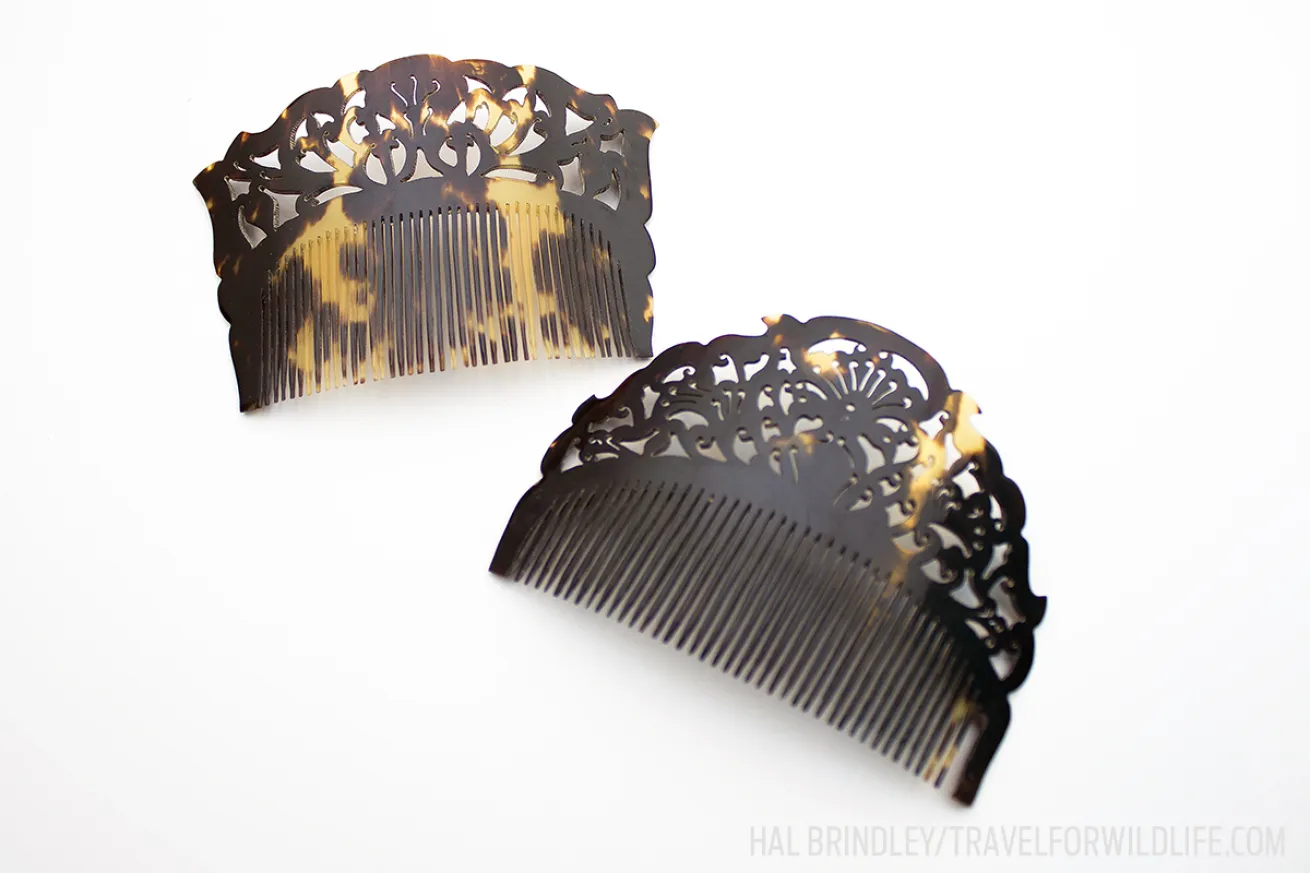
Hal Brindley/travelforwildlife.comTurtle shell souvenirs
The colorful shells of hawksbill sea turtles are polished and carved into jewelry and trinkets. Hawksbills are critically endangered, however, and extremely important to the health of coral reefs, says Brad Nahill of Too Rare to Wear, a campaign to end turtle shell sales. The organization identified Nicaragua, Costa Rica and Cuba as particular hot spots for this trade, although it occurs in the tropics worldwide.
Real turtle shell is brown, orange, amber and yellow with irregular patterns throughout. Items made from cow bone or horn and plastic tend to have uniform patterns in brown, beige, black or white. These and items carved from coconut shell make good alternatives, Nahill says.
READ MORE: Easy Ways to Cut Down on Plastic Use
Rare Woods
Native to Belize, Guatemala and Mexico, Belizean rosewood became increasingly scarce after CITES banned international trade of Brazilian rosewood. Illegal logging accounts for most of the damage, but this beautiful wood also becomes musical instruments and decorations sold to tourists. Ranging in color from orange to deep red and brown with dark and cream veins, rosewood can be extremely difficult to distinguish from other species.
It has importance in traditional Maya culture, and overharvest destroys forest ecosystems, exposing coral reefs to damaging sediment runoff. Plus, taking rosewood out of a country may require permits, so it's best to avoid wood souvenirs.


